
Why Repetition Is One of the Most Powerful Preschool Transition Tools

Search for “transition ideas for preschoolers” and you'll find a lot of advice telling you to keep things fresh.
New songs.
New games.
New movement activities.
New ways to get children from one part of the day to the next.
But here's something worth reconsidering:
Young children don't always need something new. Sometimes they need something they know.
That matters a lot when you're talking about preschool transitions.
The goal isn't more stimulation. It's knowing what's next.
Transitions ask young children to shift.
Stop playing.
Clean up.
Move to another part of the classroom.
Get ready for lunch.
Come inside.
Slow down for rest.
That's a lot of little changes throughout a single day.
A predictable transition gives children something to hold onto.

When the same song plays before cleanup, children begin to recognize the cue.
When the same movement routine happens before lunch, they begin to anticipate it.
When the same calming experience signals the beginning of rest, the routine starts to become familiar.
The goal is to help children know what happens next.
And that familiarity can create something really valuable:
Familiarity → Predictability → Participation → Anticipation → Independence
The teacher doesn't have to explain everything from scratch.
The child starts to recognize the pattern.
Eventually, the routine belongs to the classroom.
Repetition can make the teacher's job easier, too.
This becomes especially important when teachers are stretched thin.
Child care programs across the country continue to face staffing challenges, and workforce shortages can force programs to reduce enrollment or consolidate children into fewer classrooms. Research cited by the Center for American Progress found providers operating at roughly 74% of their authorized capacity on average.
When teachers have less capacity to individually cue, redirect, explain, negotiate, and manage every transition, predictable routines become even more valuable.
A transition shouldn't require a teacher to reinvent the wheel every afternoon.
The teacher should be able to say:
“Okay, friends. It's cleanup time.”
And the children already know what comes next.
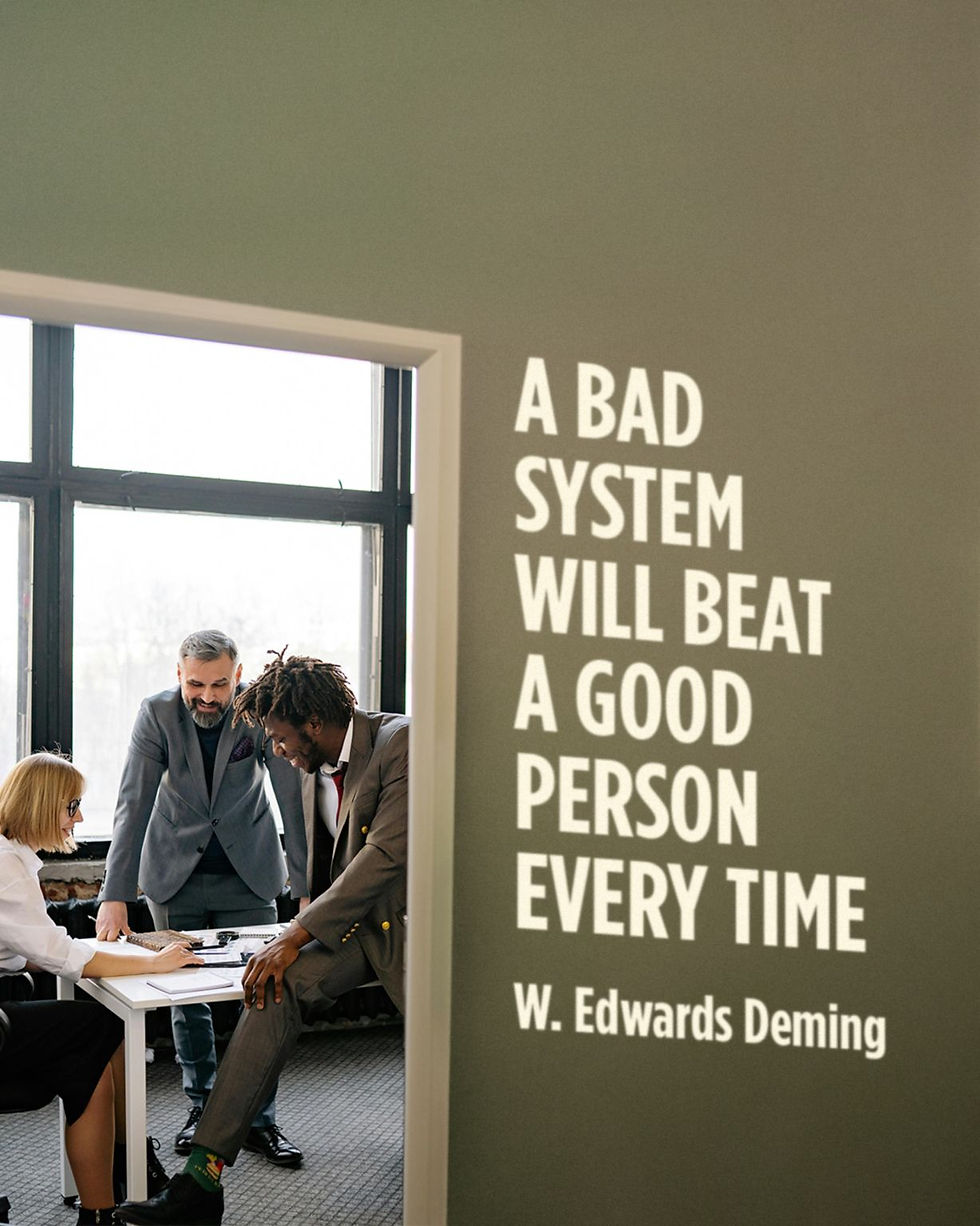
That is the power of a system.
Repetition is why we built Fruit Snack Streams the way we did.
At The Nap Time Show®, we've always believed that intentionality matters more than novelty.
That philosophy carries directly into Fruit Snack Streams, our classroom platform designed specifically for licensed childcare programs.
FSS uses recurring formats, recognizable characters, short experiences, and repeatable transition tools so teachers can return to what works.
Because a good transition experience shouldn't become less useful just because you've used it before.
That's actually the point.
Your teachers should be able to use it again tomorrow.
And next Tuesday.
And three weeks from now.
And the children should know what to expect.
Because when the transition is predictable, the teacher has one less thing to figure out and the child has one less thing to wonder about.

Give your classroom something it can count on.
The next time you're searching for transition ideas for preschoolers, ask a different question:
What could we use consistently enough that our children learn the routine themselves?
That's where the real magic happens.
Try the transition experiences teachers can use again and again.


